7935 Crain highway South Glen Burnie Maryland 21061


Simple, Effective Protection Against Cavities
Cavities are one of the most common health problems affecting children and teenagers — but they are also one of the most preventable. Dental sealants are one of the simplest, most effective tools we have for protecting vulnerable teeth from decay before it ever has a chance to develop. At Evergreen Dental in Glen Burnie, Maryland, we recommend sealants as part of a comprehensive preventive care strategy for children, teenagers, and adults who want an extra layer of protection for their back teeth.
The procedure is quick, completely painless, and requires no drilling or anesthesia — making it one of the easiest and most rewarding investments you can make in your family's oral health.
Book Your Sealant Appointment
Did You Know…

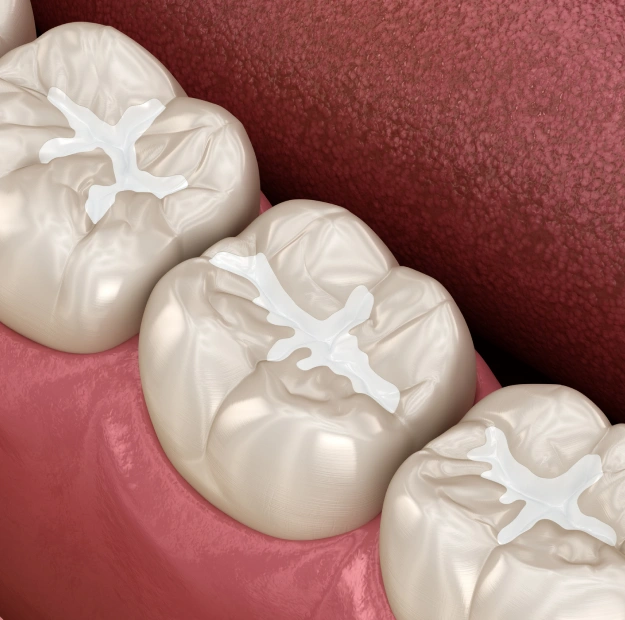
Dental sealants can protect hard-to-reach grooves in your teeth, helping prevent cavities before they start.
Ready to schedule your appointment?
Call 410-424-5044 Today!
Who Benefits From Dental Sealants
Children
The most common candidates for dental sealants are children between the ages of 6 and 14. The first permanent molars typically erupt around age 6, and the second permanent molars around age 12. Sealing these teeth as soon as they come in — before decay has a chance to develop — provides protection during the cavity-prone childhood and teenage years. Studies show that sealants can reduce the risk of decay in back teeth by nearly 80%.

Teenagers
Teenagers face a particularly high risk of cavities due to dietary habits, less consistent oral hygiene, and the presence of newly erupted permanent molars. Sealants provide meaningful protection during these years when cavity risk is at its peak.

Adults
Sealants are not exclusively for children. Adults who have deep grooves in their molars and no existing decay or fillings in those teeth can benefit from sealants just as much. If you have cavity-prone back teeth or simply want an added layer of protection, ask our team whether sealants are a good option for you.

The Dental Sealant Process
Cleaning
The teeth receiving sealants are thoroughly cleaned to remove any plaque or debris from the surface and grooves.
Preparation
The chewing surfaces are lightly etched with a gentle acidic solution to create a slightly rough texture that helps the sealant material bond securely to the tooth. The tooth is then rinsed and dried completely.
Sealant Application
The liquid sealant material is carefully painted onto the chewing surface of the tooth, flowing into all the grooves and pits.
Curing
A special curing light is used to harden the sealant material in just a few seconds, bonding it firmly to the tooth surface.
Check & Polish
We check the sealant for complete coverage, verify your bite feels natural and comfortable, and make any minor adjustments needed. The entire process for all four molars typically takes less than 30 minutes.